

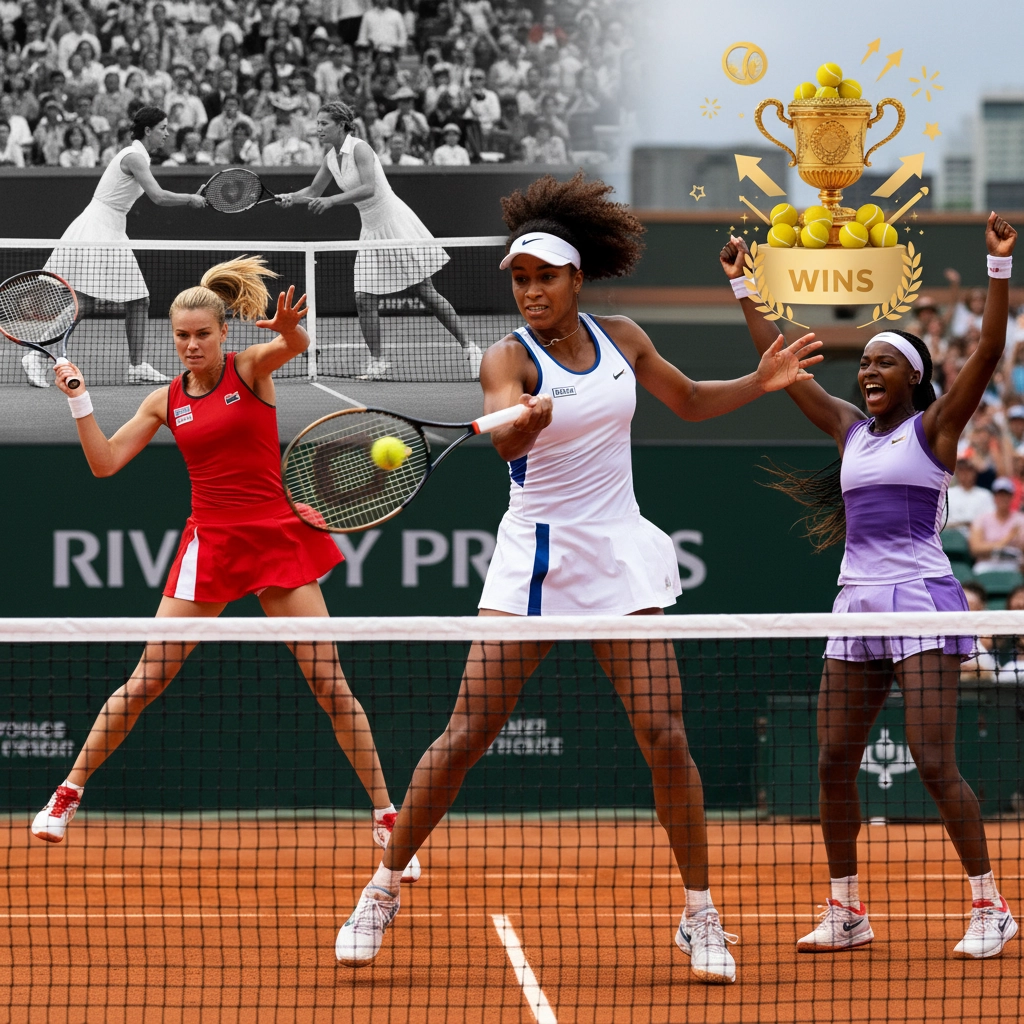
How these women changed tennis and why their stories still matter to you
You’re about to explore the careers of the most famous female tennis players and learn how their choices on and off court shaped modern tennis. Beyond trophies, these athletes rewrote expectations about athleticism, fashion, activism, and mental toughness. When you watch a contemporary match — with its power baseline rallies, athletic serves and global audience — much of what you see traces back to the players who transformed the sport over decades.
What sets the legends apart from champions
Not every Grand Slam winner becomes a cultural icon. You’ll notice three recurring traits among the most famous names: distinctive playing style, memorable rivalries that elevated the sport, and signature wins that defined eras. Those traits explain why some players remain household names across generations. As you read, consider which trait matters most to you when measuring greatness.
- Playing style: From serve-and-volley mastery to baseline power, a unique style helps a player stand out.
- Rivalries: Head-to-head narratives capture attention and force tactical evolution for both competitors.
- Wins and milestones: Record-breaking titles, comeback victories and barrier-breaking moments cement legacies.
From junior courts to Grand Slam stages: how early careers and styles took shape
When you study a top player’s early years, you’ll often find a clear lineage: junior success, coaching influences, and a breakthrough win that changed perception. For many famous players, the shift from promising junior to headline-maker happens when their style becomes unmistakable — and when they deliver under pressure in big tournaments.
Typical pathways to stardom you’ll recognize
- Junior dominance: Winning major junior titles or training at elite academies gives players the technical base and confidence you see later on.
- Early signature wins: A first big upset at a major or a dominant clay-court run often marks the moment the tennis world pays attention.
- Coaching and adaptation: Many athletes refine their game through coaching changes and evolving strategies that respond to rivals’ strengths.
Consider a few archetypal examples to ground these ideas. These snapshots explain why certain names are so prominent and how their early choices influenced the rest of their careers:
- Baseline strategist with unflappable consistency: Some players build careers around precision, patience and tactical variety. Their early training often emphasizes footwork and point construction, which you’ll see pay off in long Grand Slam matches.
- Power hitters who changed the pace of the game: Players who introduced overpowering serves and forehands forced opponents to adapt or be overwhelmed. Early exposure to strength training and an aggressive junior style usually predict this trajectory.
- Serve-and-volley innovators: A smaller group relied on net play and quick reflexes, challenging opponents to hit precise passing shots under pressure. This approach often required confidence developed through doubles play and specific technical coaching.
How early rivalries begin and why they matter to you
Rivalries often spark in junior tournaments or during the first major meetings on tour. When two players clash repeatedly, you’ll see rapid tactical evolution: one player tightens their serve, the other improves returns. Rivalries make matches must-watch events and push both competitors to innovate. You’ll notice that many famous rivalries also carry personal narratives — differences in background, personality or playing philosophy — which amplify public interest.
Short-term on-court outcomes shape long-term reputations. A player who beats a reigning champion in their first major meeting becomes more than a one-match wonder; they become a serious contender in fans’ minds. You’ll start to follow their progress, comparing style adaptations match by match.
As you move into the next section, you’ll get a closer look at specific icons — their signature techniques, the rivalries that defined them, and the landmark victories that turned athletes into legends. This will set the stage for a deeper examination of how individual matches and seasons constructed enduring reputations.

Icons whose styles rewrote the modern game
When you look at the most famous female players, the immediate impression is often a single, defining trait: a serve that intimidates, a forehand that dictates points, or the footwork that turns defense into offense. Those signature tools didn’t just win matches — they nudged the sport’s tactics, training and even equipment in new directions.
– Martina Navratilova: She is the archetype of serve-and-volley excellence on the women’s tour. Navratilova combined aggressive serving, lightning-quick net instincts and superior conditioning. Her dominance at the net forced opponents to develop sharper passing shots and rethink how to construct baseline points against a constant forward-moving threat. Beyond tactics, her fitness-first approach helped normalize year-round strength and agility training for female players.
– Chris Evert: If Navratilova was the net innovator, Evert was the baseline scientist. Her two-handed backhand, precision depth and unflappable point construction made the extended, error-free baseline duel a viable path to consistent Grand Slam success. Evert’s emphasis on consistency and mental discipline influenced generations who prioritized shot selection and patience over raw power.
– Steffi Graf: Graf brought a rare blend: an explosive forehand with an inside-out trajectory and an athletic court coverage that turned defense into offense seamlessly. Her forehand became a go-to weapon, and her footspeed allowed her to take balls early, robbing opponents of rhythm. Graf’s 1988 season — in which she won all four majors and Olympic gold — highlighted how a weaponized forehand could anchor an otherwise all-around game.
– Serena Williams: Few players changed the modern women’s game as profoundly as Serena. Her serve combined pace, placement and an intimidating presence that forced opponents into defensive patterns from the first point. Serena’s power-groundstroke game and mental intensity accelerated the shift toward bigger, more athletic baseline play and inspired a generation to emphasize strength training, biomechanics and aggressive court positioning.
– Martina Hingis and the tacticians: Not every redefining player relied on power. Hingis showcased how anticipation, variety and strategic intelligence could still trump brute force. Her doubles instincts, disguise and courtcraft reminded the tour that positioning and tempo management remain potent counters to power.
Each of these styles created a ripple effect: coaches adapted practice plans, junior players sought different idols, and racquet technology evolved to support either control or power. When you watch modern stars mix tactics — serving with power, but closing points with variety — you’re seeing the synthesis of those earlier innovations.
Rivalries that became cultural touchstones
A great rivalry does more than tally wins and losses; it shapes public perception of the sport and gives context to every match. Certain duels turned tennis into a storyline as compelling as any drama on TV.
– Evert vs. Navratilova: This rivalry is a textbook example of opposing philosophies clashing repeatedly. Evert’s baseline control versus Navratilova’s net aggression forced both players to adapt continuously. Their matches were tactical conversations: patience against initiative, precision against pressure. The rivalry lasted more than a decade and elevated both players’ games, turning routine tournaments into must-see events.
– Serena vs. Venus (and Serena vs. Sharapova): The Williams sisters brought family narrative, power tennis and a new athletic ideal to the forefront. Venus and Serena’s finals, often at the biggest stages, combined elite quality with personal stakes. Parallel to that, Serena’s matchups with Maria Sharapova — a media-amplified David-and-Goliath storyline — highlighted how personality, publicity and on-court performance can intertwine to create global interest.
– Graf vs. Seles: In the early 1990s, the Graf–Seles rivalry promised a long-term duel for the top of the sport. Seles’ two-handed dominance and fearless aggression challenged Graf’s consistency and forehand power. The interruption of that rivalry by off-court tragedy altered the course of the decade and underscored how fragile competitive eras can be.
Rivalries also reach beyond tactics. Cultural, national and personal narratives — from Billie Jean King’s fights for equality to the Williams family’s journey — mean that each match can carry symbolic weight. As a fan, you start reading every face-off as part of a longer story: who adapts, who falters under narrative pressure, and who rewrites the script.

Signature wins that reshaped reputations
Certain victories are remembered not just for the trophy but for how they changed a player’s standing in tennis and society.
– Billie Jean King’s victory in the 1973 “Battle of the Sexes” was more than a match result; it was a cultural turning point that boosted public support for women’s tennis and equality in sport. That win helped accelerate the professionalization and marketability of the women’s tour.
– Steffi Graf’s sweep of the four majors and Olympic gold in 1988 made the idea of a single-year “Golden Slam” tangible and showcased the peak of all-around dominance.
– Serena Williams’ comeback titles — including major wins after maternity leave — redefined longevity and resilience in elite sport. Her majors across different phases of her life reframed conversations about athlete careers, motherhood and peak performance.
– Maria Sharapova’s breakthrough at Wimbledon as a teenager signaled the globalizing reach of tennis: a new generation of internationally marketed stars could burst onto the scene and immediately command attention.
These landmark wins share common effects: they alter how opponents prepare, shift media narratives, and create new expectations for what an elite player can accomplish. They’re the moments you remember a decade later that explain why certain names live on in the tennis lexicon.
The ongoing legacy and what to watch next
Great players do more than collect trophies; they change expectations, training habits and the stories fans follow. As equipment, analytics and athletic preparation continue to evolve, so will the way talent expresses itself on court. Expect future stars to blend power, movement and tactical nuance — and to create new rivalries that capture public imagination in fresh ways.
Beyond results, watch how players use their platforms: advocacy, coaching influence and cultural presence increasingly shape tennis’s reach. The sport’s history is a chain of innovations and narratives, and every new generation picks up elements from those who came before while pushing the game forward. For official rankings, schedules and player profiles, visit the WTA official site.
Frequently Asked Questions
Who are the most influential female tennis players mentioned in this article?
The article highlights figures whose playing styles, rivalries or landmark wins reshaped the sport — including Martina Navratilova, Chris Evert, Steffi Graf, Serena Williams, Martina Hingis and Billie Jean King — each noted for different contributions to tactics, fitness, mental approach and cultural impact.
How have rivalries affected the development of women’s tennis?
Rivalries raised the sport’s profile, forced tactical evolution and created narratives that drew broader audiences. Matches between stylistic opposites (for example, serve-and-volley versus baseline control) accelerated technical and strategic adjustments among players and coaches, while high-profile personal or cultural storylines expanded media interest and fan engagement.
What kinds of matches or moments are considered “signature wins”?
Signature wins typically change perceptions about a player or the sport itself — landmark victories that influence media narratives, inspire rule or training shifts, or have broader cultural significance. Examples include matches that symbolize social progress, dominant seasonal achievements, or comeback titles that alter conversations about longevity and resilience.