

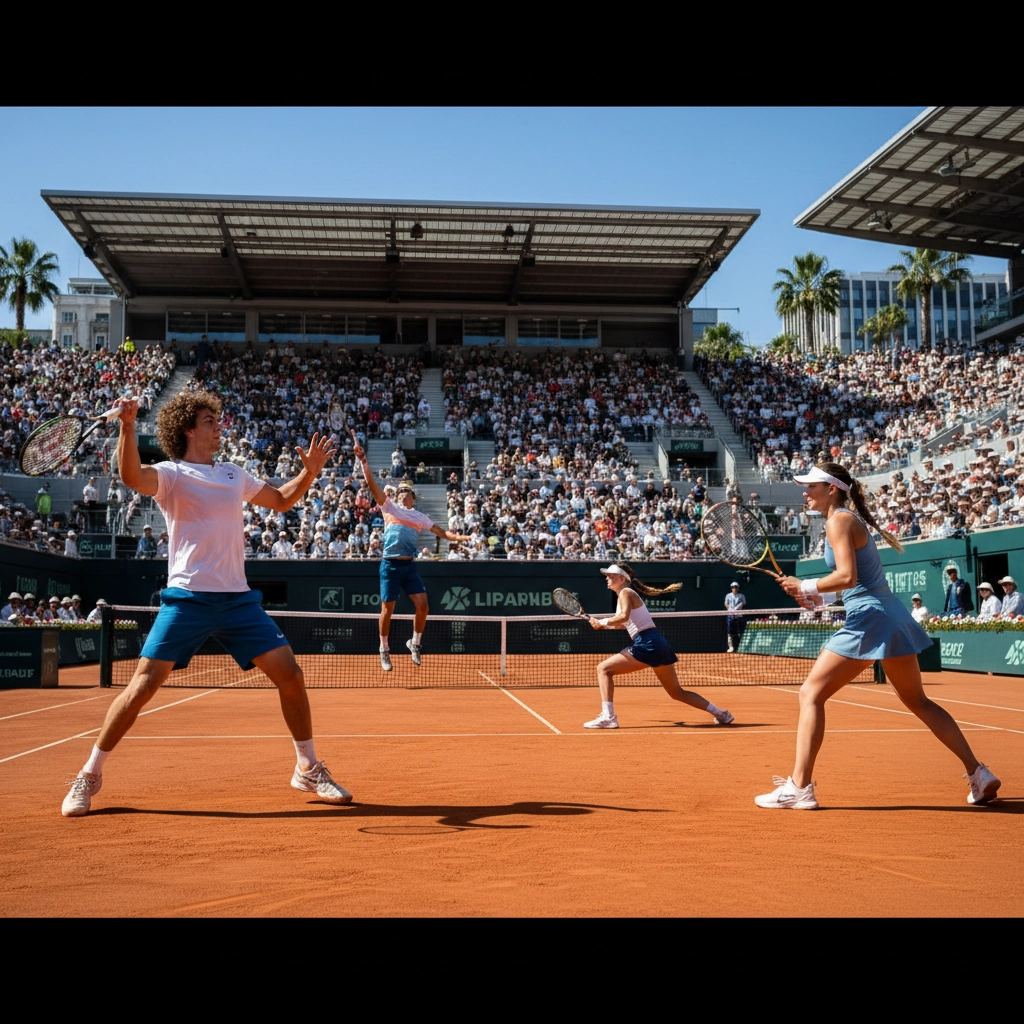
Why the next generation of tennis stars deserves your attention
You follow tennis because the sport changes fast—new styles, new training methods, and new personalities that redefine how the game is played. If you want to stay ahead of the curve, learning to recognize rising talent gives you context for every upset, breakthrough, or dramatic ranking shift. You’ll also appreciate how young players influence tactics at the top level: aggressive returners can force servers to adapt, while players with exceptional movement push baseline strategies into new territory.
Watching emerging players is more than celebrity spotting. When you tune into junior events, Challenger tours, and early Grand Slam appearances, you can see which traits translate from promise to consistent results. Instead of judging potential by hype, you’ll learn to evaluate measurable signs—technical, physical, and mental—that indicate a player is ready to make the jump to sustained success.
Key indicators that a young player may become a future household name
Look for a smooth junior-to-pro transition
Dominating junior events is useful, but the real test is adapting to adult competition. You should pay attention when a player starts converting junior success into wins at ITF, Challenger, or early ATP/WTA main draws. That pattern—consistent wins against seasoned professionals—signals that their game can handle greater intensity and smarter tactical play.
Assess physical and technical tools
Physical traits aren’t everything, but they matter. You want to see a player with a modern, repeatable serve, court coverage that fits their style, and strokes that can be executed under pressure. Technical versatility—an effective backhand slice, a dependable two‑handed backhand or a reliable one‑hander, and a crafted approach game—gives them options on different surfaces. Watch match clips to see whether those tools are used intentionally, not just thrown at opponents.
Prioritize mental resilience and match IQ
Mental strength is the separable trait between flash-in-the-pan winners and long-term stars. You’ll notice it when a young player closes out tight sets, bounces back after a bad first round, or shows tactical adjustments mid-match. Match IQ includes point construction, shot selection under pressure, and the ability to read opponents. When you see those signs consistently, the player is trending from potential to predictability.
Consider the support network and development pathway
A strong coaching setup, physical trainers, and a sensible tournament plan accelerate development. Look for players who have access to high-level practice partners or national training centers, and coaches who emphasize patience over instant results. Sponsors and federation support can broaden opportunities for entries and wildcards—practical advantages that help convert talent into headlines.
Track measurable progression
- Ranking jumps: consistent month-to-month climbing, especially from 200s into the top 100 or 50.
- Quality wins: victories over established top-50 players at ATP/WTA or major events.
- Stat improvements: serve points won, return games won, and break-point conversion trends.
- Surface adaptability: credible results across hard, clay, and grass in a single season.
Early-career patterns you can follow this season
As you watch the calendar, certain patterns reliably point to players who will become household names. First, note who earns and maximizes wildcards into big events—wildcards give exposure and, if capitalized upon, often accelerate momentum. Second, monitor Challenger finals and dominant runs in ITF events; players who rack up titles at that level are often not far from top-tier success. Third, watch juniors who make rapid progress when given main-draw opportunities at Grand Slams: a first- or second-round upset of a seeded player is a strong signal.
You should also pay attention to how players handle media and off-court pressures. Those who maintain composure and maturity, while still showing competitive fire, are more likely to attract long-term support and sponsorship—both important for sustained growth. Finally, follow injury patterns: a young player with sound fitness habits and wise scheduling is more likely to maintain an upward trajectory than one frequently sidelined.
In the next section, you’ll get focused profiles of specific young players to watch, with clear reasons each could become a household name—style of play, recent results, strengths to build on, and weaknesses they must address.
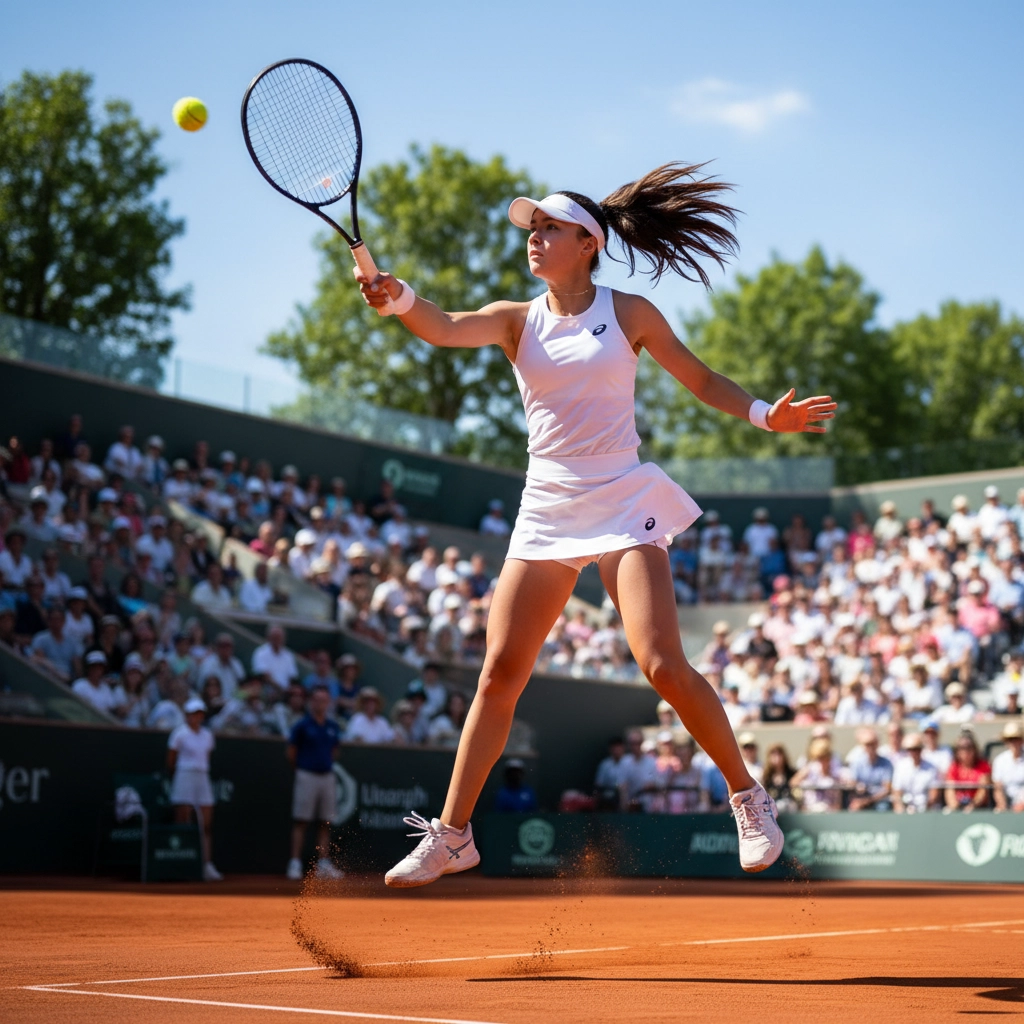
Breakout men to watch this season
Arthur Fils — the accelerating offensive all‑rounder
Arthur Fils has the archetype of a modern offensive baseliner: compact preparation, an explosive forehand, and the athleticism to turn defense into immediate offense. What makes him interesting is the clarity of his game plan—he knows which points to attack and when to reset—which bodes well for making the leap from promising results to consistent deep runs. Strengths to watch: aggressive first-strike tennis (particularly on return), confident net approaches, and a serve that is improving in both placement and power. Areas to tighten: his backhand consistency under sustained pressure and match‑to‑match tactical variation. If he continues to add margin on serve and sharpens point construction against top opponents, Fils has the toolkit to convert early promise into headline results.
Ben Shelton — power plus competitive instinct
Ben Shelton combines a heavy serve and raw forehand speed with surprising court instincts developed in the U.S. college system. His transition from the NCAA to the professional tour showed he can generate free points and unsettle opponents with sheer pace and posture. Strengths are obvious: serve dominance, athletic finishing at the net, and a fearless mentality on big points. Developmental priorities include improving movement patterns for longer rallies, tightening second‑serve reliability, and expanding variety—slice, drop shot, or improved defense—so he isn’t solely reliant on power. If Shelton maintains fitness and diversifies his tactical arsenal, his physical gifts should translate into sustained top‑level results.
Alex Michelsen — a sleeper with growing shape and stamina
Alex Michelsen is the kind of prospect whose early results hinted at a high ceiling, and whose follow‑through has been steady rather than spectacular. His big groundstrokes and improving serve make him dangerous on fast courts, while a recent emphasis on conditioning and point construction suggests he’s serious about being more than a one‑surface threat. Strengths: raw power from both wings, competitive temperament, and room to grow technically. Weaknesses to address: consistency in long rallies, strategic shot selection under pressure, and experience closing tight matches. Watch for a season where he strings together deep Challenger runs or upsets in ATP 250 events; that kind of momentum often precedes a breakthrough.
Women primed for stardom
Mirra Andreeva — fearless attacker with room to refine
Mirra Andreeva made headlines with aggressive shotmaking and a willingness to dictate rallies at a remarkably young age. Her game is built on taking the ball early, flattening strokes through the court, and maintaining surprisingly composed decision‑making for her age. Strengths include offensive instincts, court speed, and a competitive mind that doesn’t shy from big moments. Areas for growth are familiar for teenage phenoms: physical robustness to withstand long slams, variety to neutralize defensive opponents, and polishing serve reliability. If coaching and conditioning add a few percentage points across those areas, Andreeva’s fearless style could evolve into week‑in, week‑out results.
Zheng Qinwen — a polished heavy‑hitting baseliner
Zheng Qinwen blends size and rhythm to generate heavy, penetrating groundstrokes and consistent depth—attributes that translate well across surfaces. She shows a high level of tactical development for a young player: constructing points, using angles, and shifting gears when necessary. Strengths are her baseline power, ability to absorb pace, and growing mental composure in big matches. Developmental focus should be serve variation, transitional touch at the net, and maintaining physical conditioning through a demanding schedule. Given her existing shotmaking and match IQ, Zheng looks positioned to convert flashes of brilliance into regular deep runs at majors.
Linda Nosková — the tactical mover who keeps improving
Linda Nosková stands out for her movement efficiency, intelligent court positioning, and adaptable shot selection. She won’t always win with sheer power, but she complicates opponents’ rhythm with well‑timed aggression and a willingness to mix spins and slices. Her strengths include movement, anticipation, and a mature tactical approach beyond her years. To climb higher she’ll need to add consistent weaponry—more punch on serve and a heavier forehand—while managing the physical demands of the tour. Nosková’s combination of smarts and steady improvement makes her a candidate to surprise higher seeds and string together deeper tournament runs.

Eyes on the future
The next seasons promise plenty of storyline shifts as young players gain experience, adjust strategies, and test themselves against established stars. Expect surprises: sudden ranking jumps, breakout performances at big events, and the occasional rapid maturation that changes the competitive landscape. Follow the development closely and enjoy the unpredictability—this is when careers are forged.
To track where these players are likely to make noise—from Challengers and 250s to Grand Slams—consult official tour calendars and live streams. For schedules, results, and player profiles, see the ATP Tour.
- Watch early-season events and Challenger swings for form and confidence building.
- Note how players respond to pressure at Grand Slams—those matches often accelerate development.
- Pay attention to improvements in serve margin, tactical variety, and movement efficiency—small gains often precede big breakthroughs.
- Keep an eye on support systems: coaching changes, fitness teams, and scheduling choices matter.
Frequently Asked Questions
How long does it typically take for a promising young player to break into the top 100?
Timelines vary widely: some players rise in a season after a string of strong results, while others take several years of steady improvement through Challengers and smaller tour events. Key factors are physical maturity, injury management, mental toughness, and the ability to convert match experience into consistent wins.
Which tournaments are best to watch for spotting future stars?
Challenger and ITF events showcase hungry prospects gaining match play, while ATP/WTA 250s and qualifiers at Grand Slams reveal who can step up against established competition. Junior Grand Slams and national team competitions can also highlight players ready to transition to the pro ranks.
What on‑court signs suggest a junior player will succeed at the professional level?
Look for a combination of reliable weaponry (serve or forehand), tactical adaptability, physical endurance, and composure in tight moments. Consistent improvement across surfaces, the ability to close out matches, and productive coaching or support structures are strong indicators of long‑term potential.