

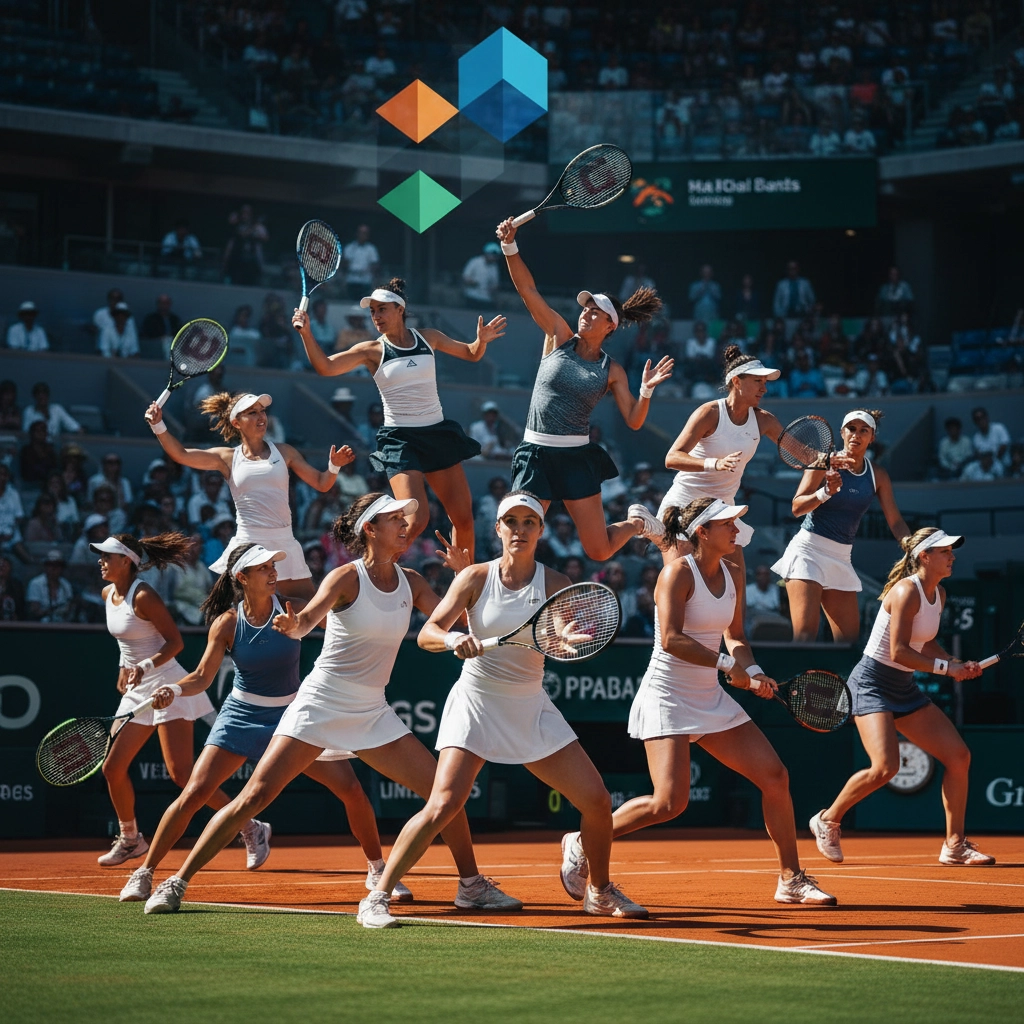
How WTA rankings affect what you should watch this season
When you follow the WTA Tour, the rankings are more than a list — they shape draws, rivalries, and the expectations you bring to every match. You’ll find that players’ positions reflect not just isolated wins but a body of work across surfaces, tournaments, and seasons. Understanding how ranking points and recent form interact helps you evaluate who truly belongs at the top and why some names rise quickly while others slip.
How points, consistency, and scheduling create the top list
In practical terms, the WTA ranking system rewards deep runs at big events and steady performance week to week. If you watch the tour closely, notice these key mechanics:
- Grand Slam results matter most: Grand Slams award the highest points. One deep run can vault a player into title contention for the rest of the year.
- Year-round consistency counts: Players who win or reach later rounds across multiple tournaments tend to hold higher positions than those with sporadic big wins.
- Surface specialization affects movement: Clay-court specialists will rise before the European swing, hard-court players peak before and after the Australian and US Opens, and grass form can cause late spring surges.
- Injuries and protected rankings: Absences can dramatically change the leaderboard; protected rankings help returning players but don’t guarantee immediate top spots.
When you interpret the WTA list, combine the raw point totals with context: recent form, injury status, and the upcoming surface calendar all influence whether a ranking reflects sustainable excellence or a temporary spike.
Which players you’ll repeatedly see at the top and why they stand out
As you follow matches and headlines, a handful of names consistently appear in discussions of the tour’s elite. You don’t need to memorize exact ranking numbers to appreciate why these players matter — focus instead on the attributes that keep them near the top.
Hallmarks of the current elite
Below are the types of players you’ll often find occupying the top slots and a brief note on what each brings to the table:
- Power baseliners with serve dominance: These players win free points and shorten rallies, forcing opponents to take risks. They’re especially dangerous on faster hard courts and grass.
- All-court talents with variety: Players who mix spins, slices, and net approaches disrupt rhythm and force opponents into uncomfortable tactical choices.
- Baseline grinders with relentless defense: Those who can turn defense into offense grind down opponents over longer rallies and are frequently strong on clay.
- Rising young stars with athleticism and fearlessness: Youth brings speed, court coverage, and an eagerness to challenge established names — and these players often change the sport’s stylistic balance.
- Consistent veterans: Experience matters: players who read the game well and manage their schedules can remain near the top through intelligent match play and tournament selection.
Players you should expect to study closely
In recent seasons, several names have defined the modern WTA landscape. You’ll recognize these players for distinct strengths — for example, a dominant clay game, an explosive serve, creative shotmaking, or relentless consistency. When you watch them, pay attention to how they construct points, how they handle pressure points, and how they adapt between sets. That tactical awareness is often the difference between a top-10 regular and a Grand Slam champion.
For each top player you follow, track a few simple metrics to evaluate form: win-loss record over the last 12 months, results at the four Slams, performance on each surface, and any recent coaching or equipment changes. Those indicators will help you predict who’s likely to stay near the top and who might be entering a breakout or slump.
Next, you’ll get a player-by-player breakdown of the current top 10: specific strengths, recent results to watch, head-to-head storylines, and which tournaments are most important for each player’s season.
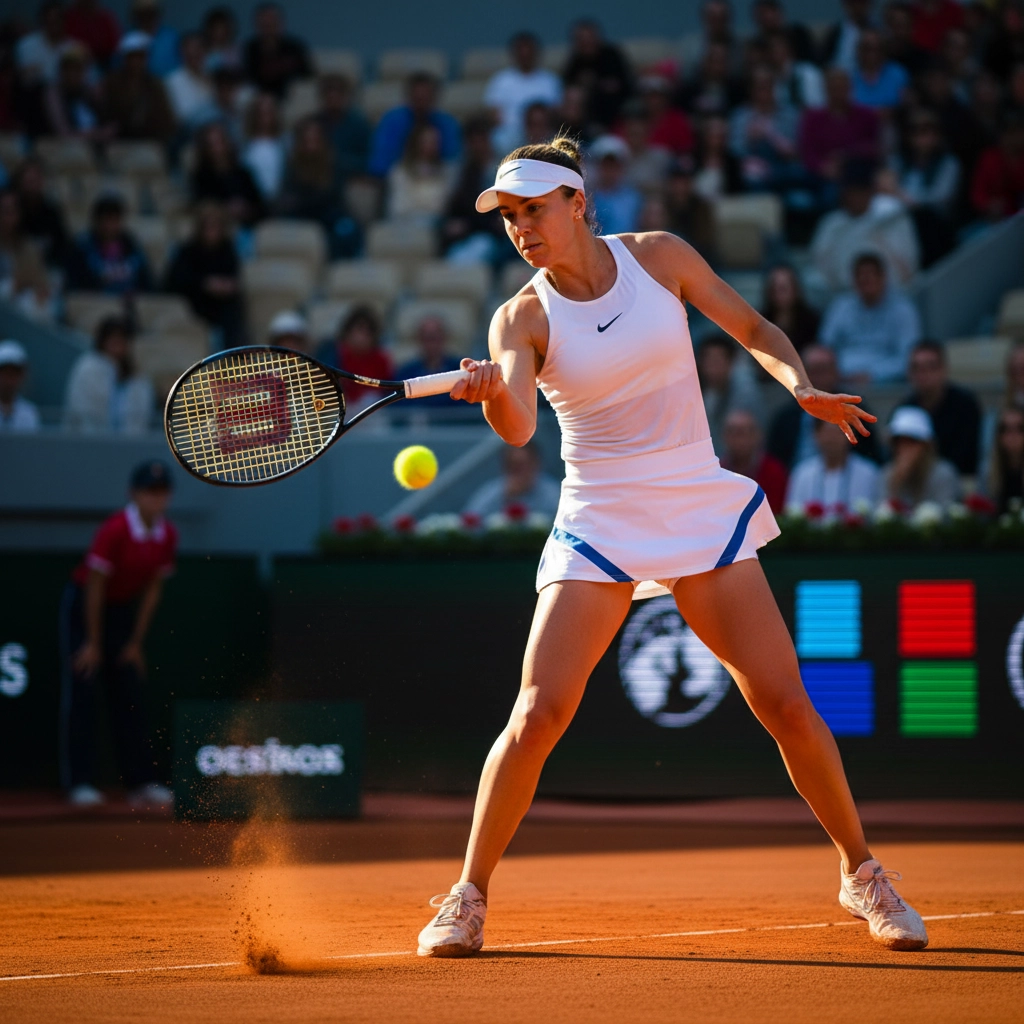
Top five you can’t miss: the players shaping headlines and draws
Iga Świątek — The benchmark for modern consistency. Świątek’s heavy topspin, court coverage, and ability to reset points make her the standard player others measure themselves against. Watch her results on clay (Roland Garros and the lead-up European 1000s) where she often piles up ranking points, but also note how she manages the hard-court swing — her adaptability determines whether she converts seasonal dominance into multiple Slams. Key head-to-head storylines: expect tight tactical battles with power hitters who try to rush her (Sabalenka, Gauff) and longer rallies against grinders. Tournaments to watch: Roland Garros, Madrid/Rome, and whichever hard-court Slam is next.
Aryna Sabalenka — Power first, match-closer second. Sabalenka’s serve and forehand create free-point opportunities and put opponents immediately on the defensive. Her challenge is controlling aggression under pressure; when she does, she’s unstoppable. Look for improvements in return games and serve placement during the big hard-court events; those tweaks turn semi-final appearances into titles. Her clashes with Świątek and Rybakina are generational contrast matches: brute force versus variety. Tournaments to watch: Australian Open lead-up events, US Open Series, and hard-court WTA 1000s.
Coco Gauff — The rising all-rounder turning potential into trophies. Gauff blends raw athleticism with a rapidly maturing tactical sense; her serve has become a genuine weapon and her defensive retrievals frustrate attackers. She’s a must-watch for late-match resilience and clutch play in tiebreaks. Head-to-heads to follow: tactical duels with Świątek and power exchanges with Sabalenka; her ability to handle elite servers will shape Grand Slam runs. Tournaments to watch: all four Slams, plus early-year hard-court Masters where she cements momentum.
Elena Rybakina — Serve-and-spin efficiency on fast courts. Rybakina’s flat, penetrating serve and aggressive baseline game yield quick points, making her especially dangerous on grass and faster hard courts. Consistency in baseline depth and minimizing double faults are keys to deeper Slam runs. Storylines: she poses a stylistic threat to variety players like Jabeur and must contend with heavy-hitter matchups (Sabalenka). Tournaments to watch: Wimbledon and the grass-court lead-up, plus the summer hard-court swing.
Ons Jabeur — Creativity, touch, and court IQ. Jabeur’s mixture of slices, drops, and angles forces opponents off rhythm; she’s one of the few who can consistently break up power-based plans. Fitness and serving consistency will determine how often she converts semifinals into titles. Her head-to-heads are fascinating because she can outmaneuver heavier hitters or get overpowered if her first serve goes missing. Tournaments to watch: grass-court swing and slams where tactical variety yields reward.
The next five who press, threaten, and provide depth to the top 10
Jessica Pegula — The baseline textbook of steadiness. Pegula’s flat drives, return quality, and match management make her a perennial deep-run candidate. She may not flash as much raw power as others, but she wins with few unforced errors and excellent transitioning. Watch her performances at Grand Slams and the North American hard-court Masters; her ability to handle pressure points against big servers is a key storyline.
Maria Sakkari — Physicality and mental grit. Sakkari’s athletic defense and explosive forehand make her a nightmare for players who prefer short points. Improvements in point construction and tactical patience will lift her results on faster surfaces. Head-to-head interest centers on how she outlasts grinders and counters variety players. Tournaments to watch: clay-court stretch and Slams where long rallies reward her strengths.
Daria Kasatkina — The stylist with a clay-court edge. Kasatkina’s variety — spin, angles, transitional drops — makes her particularly effective on slower surfaces where she can build points. Her serve and finishing at the net are areas that, when tightened, push her into semifinal contention at major events. Look for her to be a spoiler against pure power players and a genuine contender in the European clay swing.
Caroline Garcia — Aggressive, tactical, and resurging. Garcia pairs a big serve with sharp baseline cut-offs and improved movement; when she’s clicking, she’s one of the tour’s most efficient point-winners. Key storylines include her return to peak serving form and how she tackles clay compared with grass and hard courts. Tournaments to watch: WTA 1000 events and whichever Slams match her seasonal form.
Barbora Krejčíková — Smart all-court play with a doubles-born net instinct. Krejčíková’s feel, variety, and volleying put her in the category of players who can change match dynamics with one tactical shift. Consistency in singles and fitness levels will determine her frequency in late rounds, but she remains a dangerous matchup-versatile opponent who can upset favorites on any surface. Tournaments to watch: clay events and mixed-surface preparations where her touch-based game is amplified.
These ten exemplify the modern WTA mix: baseline power, tactical variety, relentless defense, and rising athleticism. As you follow their seasons, track surface-specific form, head-to-head trends, and how each manages pressure points at the big events — that context turns a name on a list into a player you’ll want to watch closely.
Beyond the top ten, the WTA landscape is deep and changeable: young qualifiers, injury returns, and tactical adjustments can all create surprise runs that reshuffle draws and rankings. Pay attention to form streaks rather than ranking alone — a string of strong match wins at lead-up events often predicts deeper Slam runs.
Where the season goes from here
The beauty of the WTA right now is unpredictability and stylistic variety — from power serving to touch-based artistry — which keeps each tournament compelling. Keep tracking surface-specific form, in-season adjustments, and emerging rivalries to spot who’s trending upward. For schedules, live scores, and official updates throughout the year, check the WTA official site.
Frequently Asked Questions
How do different court surfaces affect the top players mentioned?
Surfaces shape match dynamics: clay favors heavy-topspin grinders and tactical movers (Świątek, Kasatkina), grass rewards big servers and flat hitters with short points (Rybakina, Sabalenka), and hard courts sit between those extremes, favoring adaptable all-court players (Gauff, Pegula). Players tailor schedule and tactics to maximize surface strengths.
Which players outside the top ten are most likely to break into the top ranks this season?
Look for consistent performers who combine improved serving with fewer errors: young qualifiers who string together wins at WTA 250/500 events and seasoned players returning from injury who regain rhythm. Watch early-season Masters and clay-court lead-ups for signs of breakout runs.
What are the best ways to follow head-to-head storylines and tournament matchups?
Track recent match history and surface-specific results rather than career H2H alone; watch 12-month form, injury reports, and lead-up tournament performance. Use official tournament pages, live-score apps, and the WTA site for draws, statistics, and matchup previews to stay informed.