

When two generational styles met: how the rivalry began
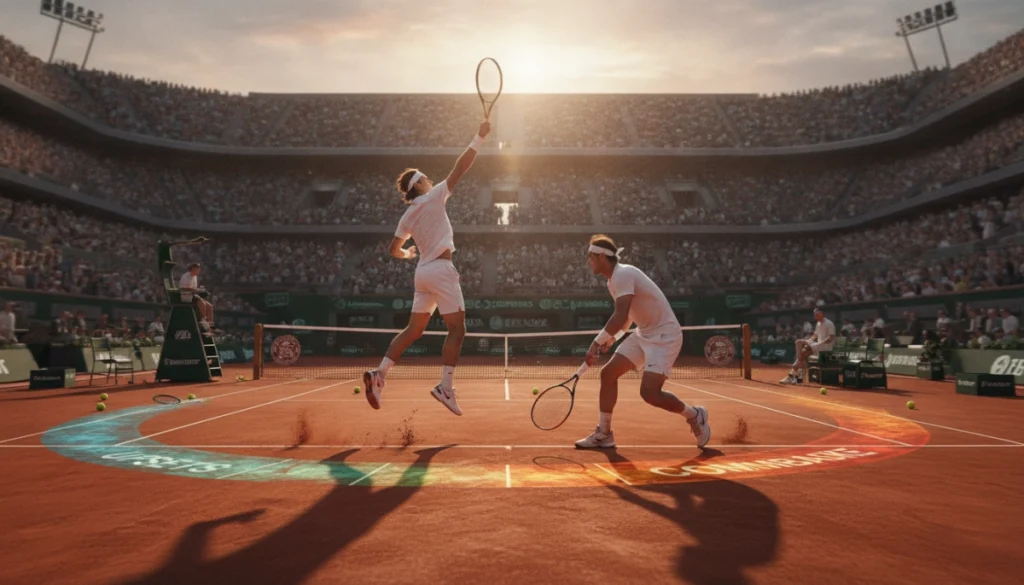
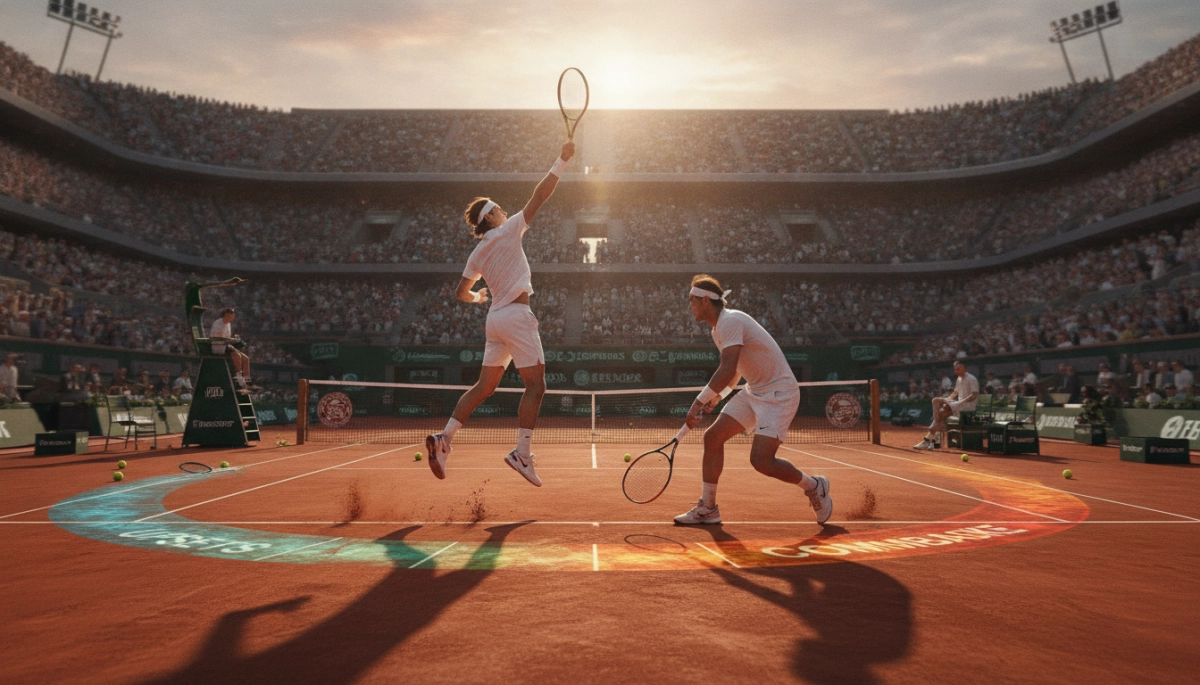
You remember the moment: a left-handed clay wizard meeting a graceful all-court maestro. Their rivalry didn’t emerge out of nowhere — it built quickly as Rafael Nadal’s heavy topspin and relentless intensity began to unsettle Roger Federer’s fluid precision. Their first ATP meeting in 2004 announced a new thorn in Federer’s side and signaled the start of one of tennis’s defining storylines.
As you study their early exchanges, you’ll notice a clear pattern: Nadal dominated on clay with his physicality and angles, while Federer held sway on grass and faster hard courts with variety and timing. That surface split created a narrative you could follow from season to season: who would adapt, who would break form, and which match would shift momentum for the next year.
Why the early clashes mattered to the rivalry’s direction
- Psychological edge: Early wins gave Nadal confidence that he could beat the world No. 1, changing how he approached big matches.
- Strategic evolution: Federer started experimenting with more aggressive backhands, court positioning, and tactical changes to neutralize Nadal’s spin.
- Fan and media narrative: Every upset or tight match amplified expectations, so each subsequent meeting carried greater pressure.
Early turning points: the matches that shaped the first phase
In their first seasons of matches, you can trace several pivotal moments where momentum shifted. Nadal’s victories on clay were not just predictable results; they were demonstrations that he could challenge Federer’s seemingly invincible hold on the top of men’s tennis. Those early wins forced Federer to refine his game and made each rematch more compelling.
From Masters tournaments to Grand Slam meetings, early encounters highlighted contrasts in shot selection and stamina. Nadal’s high-bouncing forehand targeted Federer’s one-handed backhand, while Federer used slice, serve placement, and net approaches to shorten points. Each adaptation by one player provoked a countermove by the other — that tactical chess would define the rivalry’s narrative for years.
Notable early surprises and momentum swings
- Breakthrough moments: When Nadal beat Federer on stages where Federer had been virtually unbeatable, those results had outsized impact on ranking confidence and media talk.
- Match style shifts: You witnessed Federer becoming more aggressive and Nadal expanding his shot selection beyond pure topspin defense.
- Streaks and slumps: Winning streaks were interrupted, and the psychological cost of those upsets often reverberated into future tournaments.
Understanding these formative matches helps you see why later clashes — the dramatic upsets and match-turning comebacks — felt as monumental as they did. In the next section, you’ll examine the greatest individual upsets and the most unforgettable comebacks that defined Federer and Nadal’s rivalry on the biggest stages.
Biggest upsets: matches that truly surprised the tennis world
When we talk about “upsets” in the Federer–Nadal era, it isn’t just about a lower-ranked player toppling a favorite — it’s about moments when expectations, momentum and narrative all flipped in an instant. The rivalry supplied several such shocks, occasions when one man dismantled the aura that the other had carefully built.
The archetype here is the 2008 Wimbledon final. Federer arrived as the long-reigning grass king and favorite to extend his streak; Nadal arrived as the clay colossus who had been gradually closing the gap on every surface. The result—Nadal edging Federer in an epic, rain-interrupted five-set marathon—was seismic. It wasn’t just a Grand Slam change of hands: it punctured the idea that surface specialists could never cross over, and it reset how both men were perceived in the biggest moments.
Less dramatic but equally revealing were the matches where form, fitness or tactical tweaks produced unexpected outcomes. On hard courts and at Masters level, there were instances when Nadal’s heavy ball and unrelenting defense found success on faster courts, and times when Federer’s renewed aggression produced sudden reversals. Those shocks often came not from wholesale superiority but from a single tactical adjustment — a serving pattern, a backhand approach or a decision to shorten points — that tilted a match and then, sometimes, an entire season.
What made these upsets so memorable was context: Federer’s long streaks, Nadal’s intimidation on clay, injuries, and the relentless media spotlight. An upset here didn’t merely change a match score; it altered narratives, drew new tactical maps for the opponent, and raised the stakes for every rematch that followed.
Comebacks that rewrote momentum: five-set classics and late-match turnarounds
If upsets were the rivalry’s shock value, comebacks were its emotional currency. Both men produced late-match resurgences that became defining chapters — matches where physical resilience met psychological steel.
Federer’s resilience in Wimbledon finals and semifinals often showcased his ability to reset mid-match: tactical recalibration, more frequent net forays, and a willingness to shorten rallies when the baseline trade wasn’t working. The 2007 Wimbledon final against Nadal exemplified that blend of poise and aggression, with Federer grinding through tense sets to retain his crown in a fifth-set decider that underscored his championship mettle.
Nadal’s comeback storylines were equally dramatic. His capacity to absorb pressure, extend rallies and wait for the moment to pounce turned many seemingly lost situations into victories. The 2008 Wimbledon final again stands out: after trading sets and surviving rain delays, Nadal produced the decisive break and the composure to close out the greatest match of their rivalry, flipping momentum not just in that match but in the broader arc of both careers.
Perhaps the most career-reframing comeback came later: a five-set final where a player returning from injury reclaimed Grand Slam glory. Those matches were more than technical wins; they signalled that recovery, adaptation and belief could overcome long absences and reshuffled expectations. In the Federer–Nadal story, comebacks didn’t just win points — they rewrote legacies.
The rivalry’s lasting imprint
Beyond the thrill of upsets and the drama of five-setters, Federer and Nadal reshaped how players, coaches and fans think about matchups. Their contrasts — one built on variety and timing, the other on relentless spin and intensity — prompted tactical innovation across surfaces and inspired a generation to blend styles rather than stick to a single archetype.
- Tactical ripple effects: coaches incorporated more variety and physical preparation to handle the extremes each brought.
- Elevated standards: endurance, versatility and mental resilience became nonnegotiable traits for top players.
- Cultural impact: their sportsmanship and mutual respect set an example that outlasted individual results.
Legacy beyond the scoreboard
The Federer–Nadal rivalry will be remembered not merely for who won or lost, but for the way two contrasting champions pushed each other to new heights and broadened the language of modern tennis. Their matches remain points of reference for players and fans, and their shared moments of greatness continue to be replayed, analyzed and celebrated. For those wanting the raw numbers and head‑to‑head breakdown, official sources like the ATP head‑to‑head records offer the full statistical arc.
Decades from now, the rivalry will still be cited not just as a collection of results but as a lesson in how rivalry, respect and continual adaptation can elevate a sport. That is the truest comeback they gave the game: an enduring example that the next great chapter of tennis is always written by those willing to change, compete and inspire.