
A Tournament Born From Triumph and Named for a Pioneer
Roland Garros is unlike any other Grand Slam. The red clay of the Stade Roland Garros demands physical, tactical, and patient tennis — brutally unforgiving of weakness. For nearly a century, it has separated champions from contenders in ways that Wimbledon’s grass and the US Open’s hard courts simply cannot replicate.
The tournament takes its name from Roland Garros, a French aviator and World War I hero who became the first pilot to cross the Mediterranean by air in 1913. He was shot down in October 1918, weeks before the armistice. When French tennis officials named their newly built stadium in 1928, they chose to honor Garros — a friend of the federation’s founding members — as a tribute to his courage and patriotism.
There is a certain poetry in that choice. A tournament demanding endurance and resilience over two weeks carries the name of a man who embodied exactly those qualities.
From a National Championship to Global Prestige
The French Championships date back to 1891, when the event was closed to foreign players and limited to members of French tennis clubs. That changed in 1925, when France opened the tournament to international competitors. The timing mattered. French tennis was in a golden era driven by the celebrated Musketeers — René Lacoste, Henri Cochet, Jean Borotra, and Jacques Bruguera — whose Davis Cup dominance had captivated European audiences. Welcoming foreign players elevated the competition and established the tournament as a genuine test of the world’s best.
In 1928, the Stade Roland Garros was constructed to host the Davis Cup tie between France and the United States, giving the French Championships a permanent home. When the four majors came to be collectively recognized as the Grand Slam in the 1930s, Roland Garros had already earned its place among them.
The Clay Surface: Why It Changes Everything
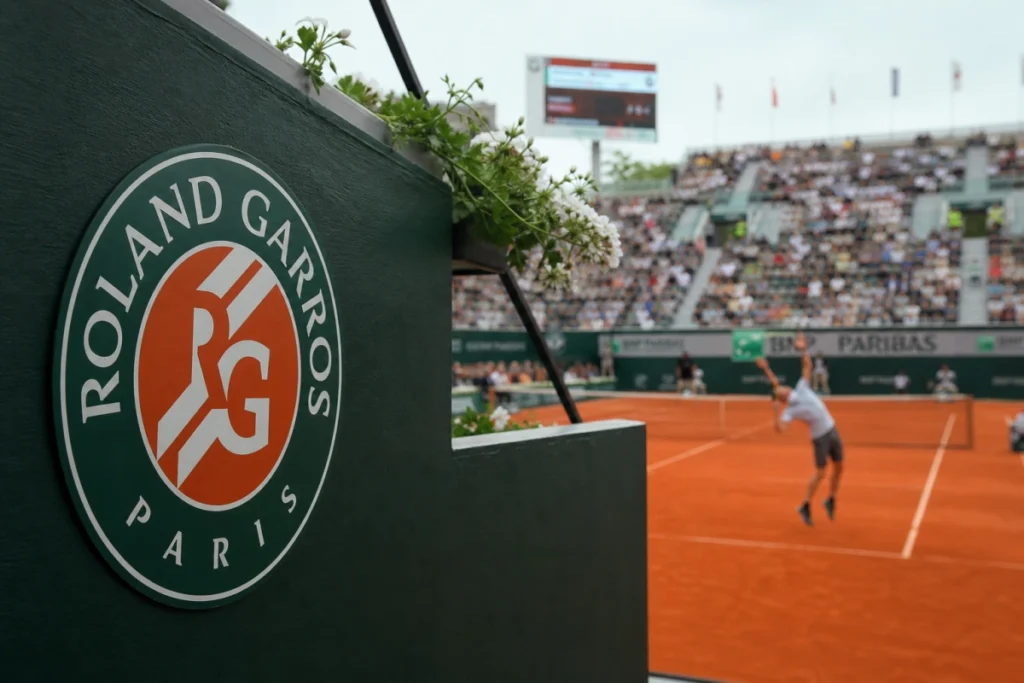
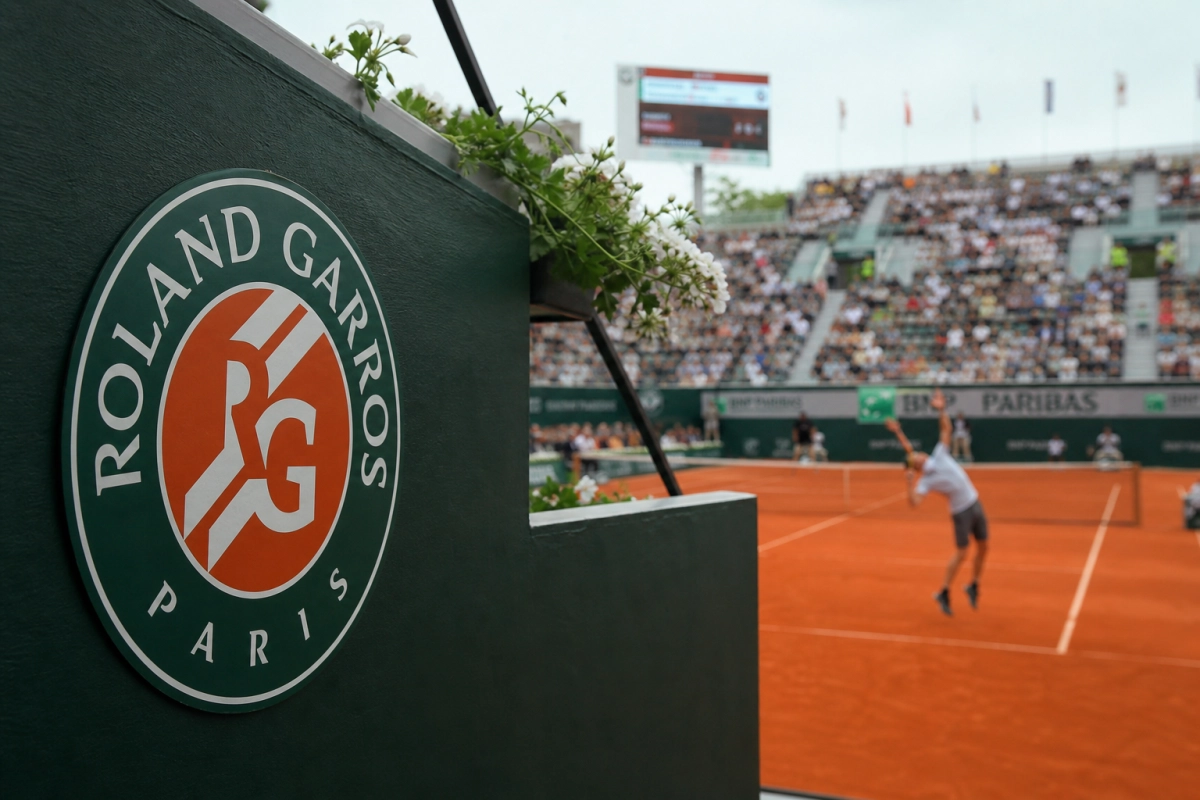
Roland Garros is played on terre battue — crushed red brick clay — the slowest of any Grand Slam surface. Balls bounce higher, players have more time to retrieve shots, and baseline rallies that might last four exchanges on hard courts can stretch to twenty on clay. Serve-and-volley tactics are largely neutralized.
What this means in practice is that Roland Garros rewards a specific combination of qualities: sustained physical effort across five sets, elite defensive skills, heavy topspin groundstrokes, and the mental discipline to grind through long rallies without losing focus. Players who rely on a dominant serve or aggressive winners can succeed at other Slams but often struggle in Paris.
That demanding nature is precisely why victories at Roland Garros carry such distinct weight. Winning on red clay over a two-week draw requires a completeness the sport’s other surfaces don’t quite demand in the same way.
The Dynasties That Defined the Tournament’s Character
Every Grand Slam has its defining champions, but Roland Garros has produced something rarer — players whose relationship with the tournament reshaped how the sport understood clay court excellence.
Björn Borg was the first player of the modern era to demonstrate what total mastery of clay could look like. The Swede won six French Open titles between 1974 and 1981, deploying heavy topspin, relentless consistency, and extraordinary physical composure. Borg didn’t just beat opponents at Roland Garros; he absorbed their best efforts and dismantled them over long matches in a way that left rivals feeling the surface itself was working against them.
Rafael Nadal took that tradition and elevated it to a level the sport had never previously witnessed. His record at Roland Garros stands entirely apart from anything else in tennis history, built on exceptional athleticism, relentless competitive intensity, and a tactical understanding of clay that bordered on the scientific. Each title added a new layer to the tournament’s mythology, and his rare losses became significant events in their own right.
Between those two giants, players like Ivan Lendl, Mats Wilander, and Gustavo Kuerten brought distinct characters to the tournament. Kuerten’s three titles carried particular emotional resonance — his spontaneous drawing of a heart in the clay after his 2001 victory became one of sport’s enduring images and a reminder of how personal the tournament’s connection with its champions can become.
Paris as a Stage: The Cultural Weight of the Tournament
Roland Garros occupies a unique position in the sporting calendar not only because of the tennis it produces but because of where it takes place. Paris in late May and early June carries a particular atmosphere — the city at its most animated, the Bois de Boulogne in full bloom — and that setting amplifies the tournament’s cultural significance in ways a less evocative venue could not.
French audiences bring an intensity and knowledge that distinguishes the tournament’s atmosphere from its peers. The Parisian crowd is opinionated and emotionally engaged in ways that can unsettle even experienced players. That relationship between crowd and court has produced some of the tournament’s most memorable moments — passionate support for French players, theatrical appreciation for exceptional rallies, and a collective impatience that competitors must navigate as carefully as any tactical decision.
The tournament has also served as a meeting point between tennis and broader French cultural life. Fashion, film, and politics have long intersected with Roland Garros in ways that feel natural rather than manufactured, making it a genuine national event in a country that takes its cultural institutions seriously.
The Physical and Psychological Toll of Two Weeks on Clay
What distinguishes Roland Garros is not just the surface but the cumulative demands it places on competitors over a fortnight. On faster surfaces, shorter matches allow players to recover between rounds. On clay, extended rallies and longer match durations create a physical debt that compounds across two weeks and reshapes outcomes as the tournament progresses.
Muscle fatigue, joint stress, and the strain of explosive lateral movement across hundreds of long exchanges take a toll unique to clay court tennis. Players who arrive at the second week feeling fresh have typically managed their energy with exceptional care — or possess games efficient enough to win without being pushed into prolonged battles.
The psychological dimension runs just as deep. Clay court tennis requires competitors to sustain concentration through attritional play where a single mental lapse can cost a point built over thirty strokes. The best clay court champions share an ability to remain present through exactly that kind of grinding pressure — a quality Roland Garros tests more systematically than any other tournament in the world.
The Enduring Standard That Red Clay Sets for the Sport
More than a century after the French Championships first took shape, Roland Garros remains the Grand Slam that asks the most fundamental questions of those who compete in it. Every other major can be won, at least in part, through singular brilliance — a week of exceptional serving or aggressive shotmaking. Paris rarely allows that. The clay absorbs pace, neutralizes advantages, and exposes anything fragile in a player’s game with patience and thoroughness that feels almost deliberate.
The tournament has also evolved without losing itself. The Stade Roland Garros has undergone significant modernization, including the addition of a retractable roof over the Philippe Chatrier main court — a change that brought Roland Garros into alignment with its peers on weather interruptions while preserving the clay and the distinctive character of the competition. Growth and tradition have been held in careful balance, which is not something every long-standing institution manages to achieve.
What remains constant is the tournament’s insistence on a particular kind of excellence — measured not in the brilliance of individual moments but in sustained quality maintained across matches, across rounds, and across the relentless demands of two weeks on terre battue.
For players who have stood on the Philippe Chatrier clay holding the trophy, the achievement represents something that cannot be easily compared to victories elsewhere. For those who have spent careers in pursuit of it without success, it represents the sport’s most honest measure of their limits. And for audiences following from the stands or from screens around the world, Roland Garros continues to deliver what great sporting occasions have always promised — a genuine test, conducted on a stage worthy of what is at stake, with outcomes that genuinely matter.
That combination — of history, surface, setting, and the players who have answered its demands across generations — is what makes Roland Garros not merely one of four Grand Slam tournaments, but an institution with a character entirely its own.