
Why the Federer–Nadal Showdowns Are a Must-Watch for You
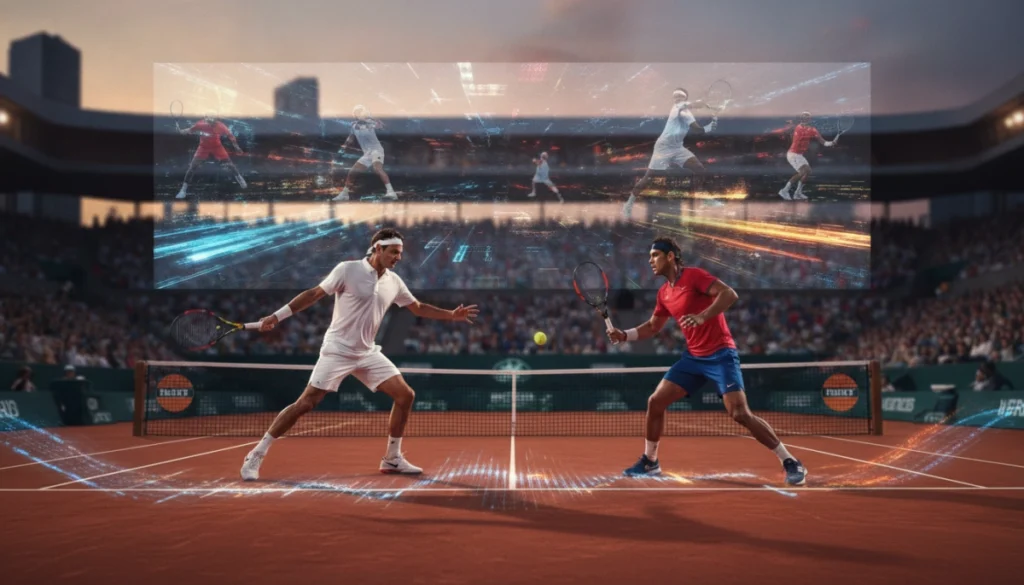
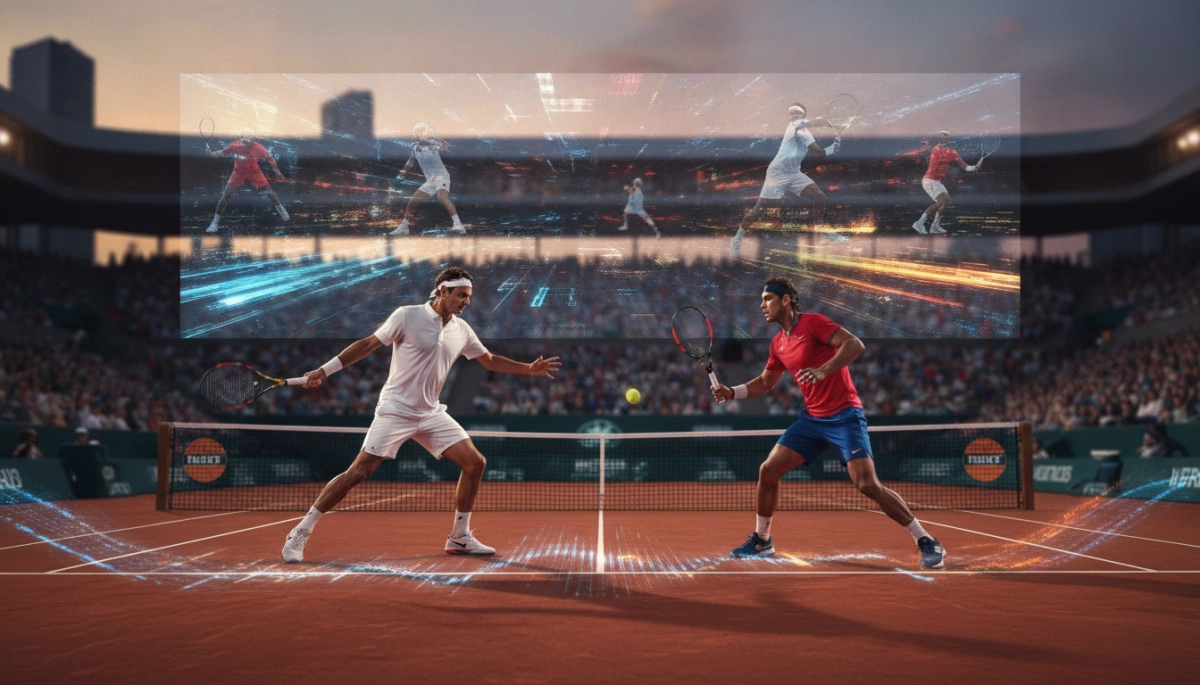
You’ve likely heard about the Federer–Nadal rivalry, but to appreciate it fully you need to focus on the highlights: the points that reveal style, strategy, and supreme mental strength. In a five-minute recap, you can’t cover every match, so you should prioritize moments that illustrate contrast—Federer’s fluent variety against Nadal’s relentless intensity—and the turning points that decided big finals. This section prepares you to recognize why specific points matter and how they fit into the broader arc of their duels.
When you watch highlights, look for patterns rather than isolated thrills. Notice how Nadal’s heavy topspin forehand repeatedly forces Federer to adapt, how Federer’s timing and slice change rally geometry, and how both players elevate their serve-and-return games under pressure. Understanding these recurring motifs will help you extract the most insight from a brief montage of their best points.
Early Exchanges You Should Focus On to Understand Momentum
The beginning of a match often frames momentum; early games and opening-set points are where tactical adjustments and psychological edges first appear. In this section you’ll learn which early exchanges tend to predict match flow and which are simply spectacular but less consequential.
Baseline patterns that set the tone
Many of their most instructive points start with sustained baseline rallies. Pay attention to:
- How Nadal uses depth and angle to push Federer wide, opening the court for a finishing shot.
- How Federer counters with changes in pace and well-timed drop shots to disrupt rhythm.
- Which player wins the first long rally of a match—this often gives an immediate tactical advantage.
Short points that reveal tactical intent
Not every vital point is an epic rally. Some of the most telling early moments are brief but decisive:
- A well-placed serve that earns a quick point, signaling a server’s intent to dominate.
- A sharp passing shot off a net approach, showing Federer’s classic finishing touch under pressure.
- A forehand winner that illustrates Nadal’s ability to seize initiative from defensive positions.
By the time you’ve watched these opening exchanges, you should be able to predict which tactical threads will recur: serve patterns, court positioning, and willingness to attack the net. These early details shape how the rest of the match unfolds and prime you for the signature points—the rallies and winners that most fans bookmark. Next, you’ll move into a concise, chronological five-minute highlight sequence that picks the very best points and explains why each one mattered in the match context.
Five-Minute Highlight Sequence — A Suggested Run Order
For a tight, five-minute montage, arrange clips so each one sets up the next: start with established rhythm, then escalate tactical nuance, and finish with emotional climax. Here’s a minute-by-minute blueprint you can follow (with what to look for in each clip):
- 0:00–0:45 — Baseline epic: Open with a long, grinding rally that showcases Nadal’s heavy topspin and Federer’s anticipation. Watch how Nadal seeks depth and angle while Federer alters trajectory with slices and short punches to force openings.
- 0:45–1:15 — The sudden change of pace: Follow with a clip where Federer shortens the rally — a deft drop or a sliced approach — and immediately capitalizes. This contrast highlights his courtcraft and timing.
- 1:15–1:45 — Passing-shot masterclass: Include a clean Federer passing winner off a risky Nadal approach or vice versa. Focus on footwork, racket preparation, and the split-second decision to go crosscourt or down the line.
- 1:45–2:15 — Forehand missile: Insert a signature Nadal forehand winner from a defensive position that suddenly flips control. Note the heavy topspin and the way it shortens Federer’s swing window.
- 2:15–2:45 — Serve-and-volley/serve-and-charge: Add a quick point won off serve to show how either player can shorten points and apply pressure. Look for serve placement and first-step positioning at the net.
- 2:45–3:15 — Defensive-to-offensive turnaround: Use a rally where a player survives a set of attacks and then turns defense into a winner. This illustrates endurance, anticipation, and strategic patience.
- 3:15–3:45 — Tiebreak or clutch point: Clip a tense point from a decisive tiebreak or late break opportunity. Here, the focus is on shot selection under pressure and micro-movements — the telltale signs of mental edge.
- 3:45–4:30 — Momentum swing rally: Show a momentum-shifting sequence: a few small errors, a counterpunch winner, and the emotional reaction. This makes clear how quickly control can switch.
- 4:30–5:00 — The signature closer: Finish with a memorable, crowd-evoking point — a complete display of skill and drama that carries emotional weight (celebration, sportsmanship, or stunned silence).
Moment-by-Moment: What Each Selected Point Reveals About Their Rivalry
Each clip in this sequence should be paired with a sentence or two that explains why it matters. Don’t just savor the beauty—decode the lesson.
- Baseline epics teach how Nadal constructs points through depth and angle and how Federer’s variety aims to disrupt that construction.
- Change-of-pace plays show Federer’s ability to rewrite rally geometry and force Nadal out of his rhythm.
- Passing shots and serve-and-volley points highlight Federer’s finishing instincts and Nadal’s willingness to take risks.
- Defensive-to-offensive turnarounds expose endurance and the capacity to convert pressure into opportunity—one of Nadal’s hallmarks.
- Tiebreak and clutch moments reveal mental resilience: who plays percentage tennis, who goes for the winner, and how both handle expectation.
When you watch these five minutes with these lenses, the montage becomes more than highlight reels—it becomes a concentrated lesson in contrast, adaptation, and competitive character. The next part will unpack a few of the most debated moments in their rivalry and why they still spark conversation today.
Debated Moments Worth Rewatching
Even within a tight five-minute reel, some moments invite more debate than others—because they reveal choices as much as skills. When you rewatch these highlights, look for the micro-decisions that still spark conversation: shot selection on the run, whether to approach the net, and how each player responds to perceived momentum shifts. Those are the flashes that commentators and fans return to.
- Points where a single aggressive decision (approach, drop, or down-the-line attempt) altered a set’s trajectory.
- Late-match moments in which a missed opportunity or a brilliant winner swung crowd energy and psychological control.
- Instances of subtle gamesmanship—movement that draws a wide reply, or a change of grip and pace—that reveal strategic intent more than raw power.
Final Serve: Watch with a Fresh Eye
Watch the five-minute sequence not just for spectacle but as a compact study in contrast: two styles pushing each other to their limits. Let individual points teach you about decision-making under pressure, and let the emotional beats remind you why rivalries endure beyond scorelines. For official match replays and curated highlight reels, see the tournament archives at Wimbledon official highlights.